

Ears Blocked During Flights? Causes and Quick Fixes
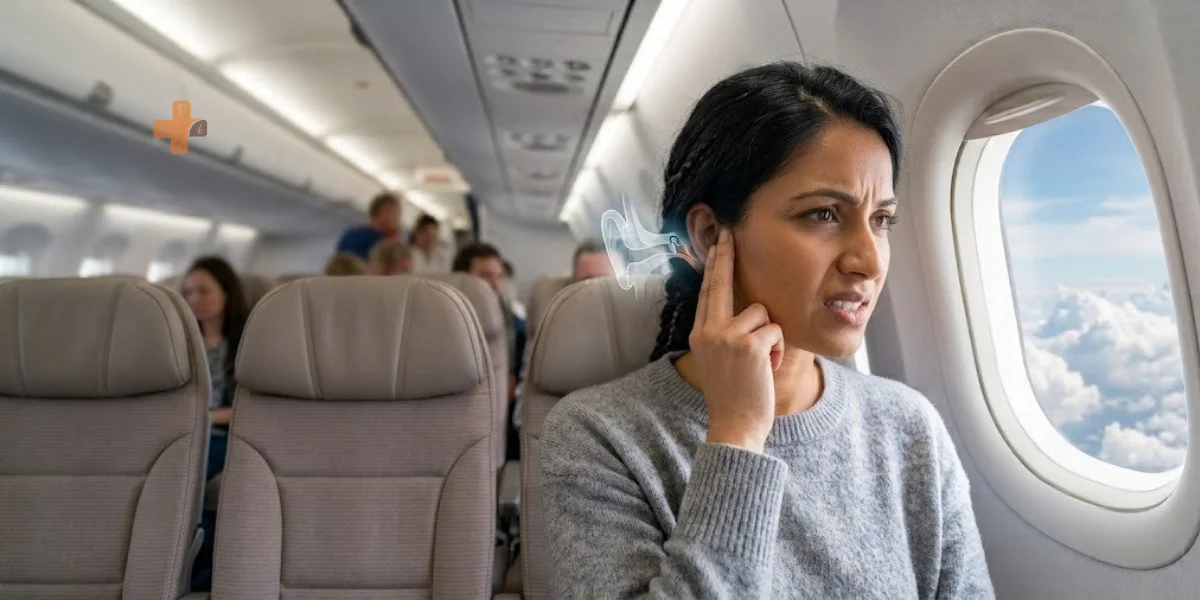
Flying is one of the fastest ways to travel, but many passengers experience Ears Blocked during takeoff or landing. Your hearing may become muffled. Your ears may feel full, or you may notice a popping sensation. For some people, the discomfort lasts only a few minutes. Others may continue to feel pressure even after the flight ends.
In most cases, Ears Blocked result from normal changes in cabin pressure. The condition is usually temporary and improves on its own. Understanding why it happens and knowing a few simple techniques can make your next flight much more comfortable.
Why Ears Feel Blocked During Flights
Your middle ear contains air. It connects to the back of your nose through a narrow passage called the Eustachian tube. This tube keeps the pressure on both sides of the eardrum balanced.
As an aircraft climbs or descends, cabin pressure changes quickly. If the Eustachian tube does not open fast enough, pressure builds inside the middle ear. This pressure difference causes Ears Blocked, along with temporary hearing changes or discomfort.
The sensation usually disappears once the pressure inside the ear returns to normal.
Common Symptoms
People experience blocked ears in different ways. Common symptoms include:
- A feeling of fullness in one or both ears
- Muffled hearing
- Popping or clicking sounds
- Mild ear pain or pressure
- Temporary dizziness
- Ringing in the ears in some cases
These symptoms often improve shortly after landing. However, they may last longer if the Eustachian tube remains swollen or blocked.
Who Is More Likely to Experience Ears Blocked
Although anyone can experience Ears Blocked, certain conditions make the problem more likely.
People With a Cold
A cold causes swelling inside the nose and throat. This swelling makes it harder for the Eustachian tube to equalize pressure.
People With Allergies
Seasonal allergies often lead to nasal congestion. Blocked nasal passages reduce the normal movement of air through the Eustachian tube.
Young Children
Children have smaller and narrower Eustachian tubes than adults. Because of this, pressure changes affect them more easily during flights.
People With Sinus Problems
Sinus inflammation can interfere with pressure regulation and increase ear discomfort during takeoff and landing.
People With Frequent Ear Problems
A history of frequent ear infections may increase the chances of pressure-related ear discomfort because inflammation can affect how well the Eustachian tube functions.
Quick Fixes That Help During a Flight
Simple techniques often relieve pressure before it becomes painful.
Swallow More Often
Swallowing activates the muscles that open the Eustachian tube. Drinking water during takeoff and landing encourages frequent swallowing.
Chew Gum
Chewing gum keeps your jaw moving and helps equalize pressure naturally.
Yawn
Yawning stretches the muscles around the Eustachian tube. Even a gentle yawn often relieves Ears Blocked.
Try the Valsalva Maneuver
Close your mouth, pinch your nose, and gently blow as if you are trying to breathe out through your nose. Do not blow forcefully. A gentle effort usually helps balance pressure inside the ear.
Stay Awake During Landing
Many people swallow less while sleeping. Staying awake during descent allows you to clear your ears whenever pressure changes occur.
Tips to Prevent Blocked Ears Before Flying
A few preventive steps can reduce discomfort before your flight begins.
- Stay well hydrated.
- Avoid flying when you have severe nasal congestion, if possible.
- Use a saline nasal spray if your nose feels dry.
- Manage seasonal allergies before traveling.
- Give babies a bottle or pacifier during takeoff and landing to encourage them to swallow.
- Wear filtered earplugs designed for air travel if you experience frequent pressure discomfort.
These simple habits help reduce the risk of Ears Blocked and make flying more comfortable.
When You Should See an ENT Specialist
Most cases resolve without treatment. However, you should not ignore symptoms that continue after your flight.
Seek medical attention if you experience:
- Severe ear pain
- Hearing loss that lasts longer than two days
- Fluid or blood coming from the ear
- Persistent dizziness
- Repeated episodes of blocked ears after every flight
Some warning signs deserve prompt evaluation. Persistent hearing changes, recurring infections, or ongoing ear pressure are among the signs an ENT specialist should see before it gets worse.
Everyday Habits That Support Healthy Ears
Healthy ears adjust to pressure more effectively. Simple daily habits can help protect your hearing over time.
Avoid inserting cotton swabs deep into the ear canal. Keep allergies under control and treat nasal congestion early. If you notice repeated ear infections, seek timely medical care instead of waiting for symptoms to worsen.
Long hours of excessive earphone use may also contribute to recurring ear problems in some people. Keeping the volume at a safe level and taking listening breaks supports long-term ear health.
Overall skin health also plays an important role around the ears. Dry or irritated skin may increase discomfort, especially for people managing eczema symptoms and healthy skin care.
Nasal Health Also Affects Ear Pressure
Your ears, nose, and throat work together. Problems affecting one area often influence another.
For example, chronic nasal congestion or frequent nosebleeds in adults and children may indicate irritation or inflammation inside the nasal passages. Healthy nasal airflow supports better Eustachian tube function and helps your ears adjust more comfortably during pressure changes.
The American Academy of Otolaryngology also explains how air pressure changes affect the ears and offers practical travel tips for protecting your hearing during flights.
Travel With Greater Comfort
Experiencing Ears Blocked during a flight is common and usually temporary. Pressure changes inside the cabin affect the Eustachian tube, making your ears feel full or reducing your hearing for a short time. Fortunately, simple techniques such as swallowing, chewing gum, yawning, and staying hydrated often provide quick relief.
If blocked ears become painful, last for several days, or happen every time you fly, it is important to identify the underlying cause instead of ignoring the symptoms.
Need Professional Care
Persistent Ears Blocked after flying may indicate an underlying ear, nose, or throat condition that requires medical attention. If your symptoms continue or keep returning, the specialists at Acura Skin & ENT Clinic can provide a thorough evaluation and recommend the most appropriate treatment. You can schedule a consultation through the.