

Monsoon Hair Care Guide: How to Prevent Hair Fall During the Rainy Season
Monsoon Hair Care: Keep Your Hair Healthy Despite the Rain
The arrival of the monsoon brings cooler weather, fresh air, and welcome relief from the summer heat. While many of us enjoy the rainy season, our hair often experiences a different reality.
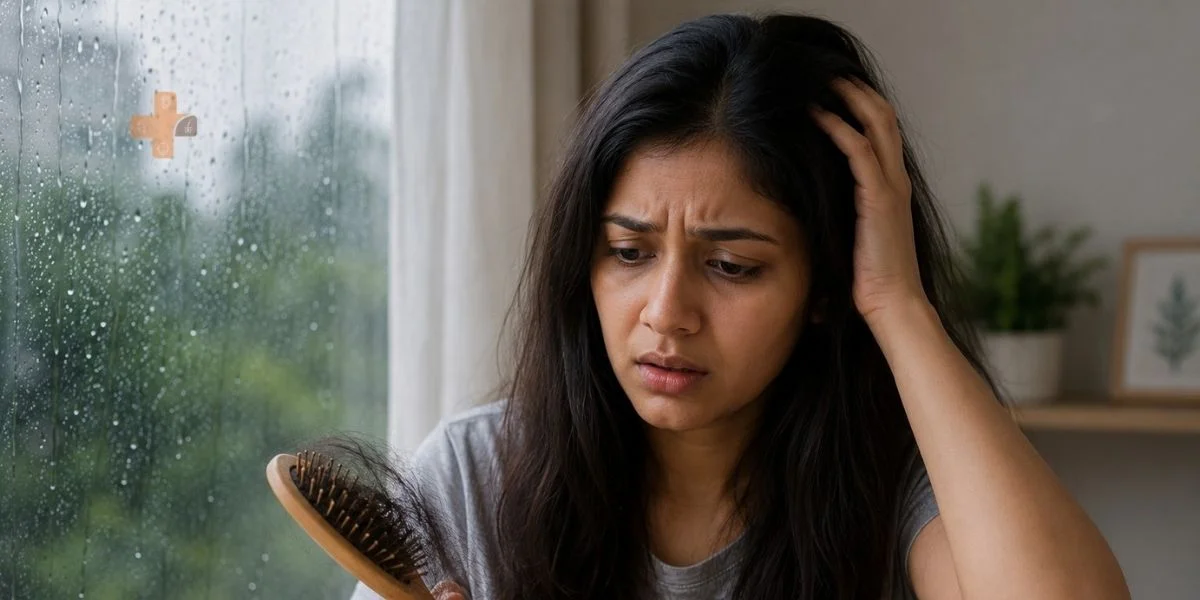
Have you noticed more hair strands on your pillow, in the shower, or on your comb during the rainy season? You’re not alone. Increased humidity, excessive sweating, exposure to rainwater, and scalp infections make the monsoon one of the most challenging seasons for maintaining healthy hair.
Seasonal changes, including hot and humid weather, can significantly affect your scalp and hair, increasing the risk of excessive shedding due to factors such as sweat, dehydration, and environmental exposure. Recognizing the major causes of hair fall in summer alongside monsoon-related triggers can help you better understand why hair fall tends to worsen during different seasons.
The good news is that seasonal hair fall can often be managed with the right hair care routine and timely dermatological guidance.
Why Does Hair Fall Increase During Monsoon?
During the rainy season, the atmosphere becomes highly humid. Excess moisture affects both your scalp and hair, making them more vulnerable to damage.
Common reasons include:
- Humid weather weakens hair roots.
- Rainwater may contain pollutants and impurities that can irritate the scalp.
- Sweat and excess oil clog hair follicles.
- Increased dandruff and fungal infections affect scalp health.
- Poor hair hygiene creates an unhealthy scalp environment.
- Nutritional deficiencies become more noticeable when hair is already vulnerable.
Although losing 50–100 hairs per day is considered normal, excessive hair fall during the monsoon should not be ignored, especially if it continues for several weeks. Seasonal humidity can also worsen dandruff, scalp irritation, and skin inflammation, making proper scalp care essential and helping reduce the risk of conditions such as eczema affecting the scalp.
Common Hair Problems During Monsoon
Many people experience one or more of the following concerns:
- Increased hair fall
- Frizzy and unmanageable hair
- Oily scalp
- Dandruff
- Scalp itching
- Fungal scalp infections
- Hair breakage
- Loss of shine
Ignoring these early signs may eventually lead to noticeable hair thinning and other scalp-related concerns.
8 Effective Monsoon Hair Care Tips
1. Wash Your Hair Regularly
Humidity causes sweat, dirt, and excess oil to accumulate quickly. Wash your hair two to three times a week using a mild, dermatologist-recommended shampoo to keep your scalp clean.
Avoid overwashing, as it may strip away natural oils and leave your hair dry.
2. Never Leave Rainwater on Your Hair
If your hair gets wet in the rain, rinse it with clean water as soon as possible.
Rainwater can carry dust, pollutants, and environmental contaminants that may irritate your scalp if left untreated.
3. Keep Your Scalp Dry
A damp scalp creates the ideal environment for fungal growth and dandruff.
After washing your hair, gently towel dry it and allow your scalp to dry completely before tying your hair.
4. Avoid Excessive Hair Styling
Frequent heat styling, chemical treatments, and tight hairstyles can weaken already fragile hair during the monsoon.
Choose loose hairstyles and reduce the use of straighteners, curling irons, and other heat styling tools.
5. Oil Your Hair the Right Way
A light oil massage once or twice a week may help nourish the scalp and improve blood circulation.
However, if you have an oily scalp or dandruff, avoid leaving oil overnight, as it may worsen scalp problems.
6. Eat a Hair-Friendly Diet
Healthy hair starts from within.
Include foods rich in:
- Protein
- Iron
- Zinc
- Biotin
- Vitamin D
- Omega-3 fatty acids
Drink plenty of water throughout the day to stay hydrated, as proper hydration supports both healthy hair and skin. While focusing on your hair care routine during the monsoon, don’t overlook your skin, daily sunscreen application remains essential even on cloudy days.
Understanding common misconceptions about sun protection can also help you make better skincare choices, Ultimate Guide to Sunscreen Myths and Skin Protection as part of your overall monsoon self-care routine.
7. Use a Wide-Tooth Comb
Wet hair is more fragile and prone to breakage.
Always detangle gently using a wide-tooth comb, starting from the ends and working upward to minimize hair damage.
8. Don’t Ignore Persistent Hair Fall
If your hair fall continues beyond the rainy season or you notice visible thinning, consult a dermatologist.
Professional evaluation can identify the underlying cause and help prevent not only progressive hair loss but also other hidden signs of skin damage that may require timely medical attention.
Hair Care Myths During Monsoon
Myth: Hair fall during monsoon is completely normal, so no treatment is needed.
Fact: Mild seasonal shedding is common, but excessive hair loss, persistent dandruff, scalp itching, or bald patches should always be evaluated by a dermatologist.
Myth: Oiling alone can stop hair fall.
Fact: Hair fall may result from hormonal changes, nutritional deficiencies, genetics, stress, or scalp infections. While oiling can improve hair conditioning, it cannot treat the underlying medical causes of hair loss.
When Should You Visit a Dermatologist?
Schedule a consultation if you experience:
- Hair fall lasting longer than 6–8 weeks
- Noticeable hair thinning or a widening hair part
- Persistent dandruff
- Severe scalp itching
- Redness or scalp infections
- Bald patches
- Continued hair breakage despite proper hair care
Early diagnosis often leads to better treatment outcomes and helps preserve long-term hair health.
Professional Treatments for Excessive Hair Fall
Depending on the underlying cause, a dermatologist may recommend:
- Comprehensive scalp examination
- Medical treatment for dandruff or scalp infections
- Nutritional assessment
- Hair growth medications
- PRP (Platelet-Rich Plasma) therapy
- Customized hair restoration plans
Every treatment plan is tailored to your scalp condition, hair loss pattern, and medical history, with the most suitable hair concern treatments recommended after a thorough professional evaluation.
Give Your Hair the Care It Deserves This Monsoon
Monsoon-related hair fall is often manageable when addressed early with the right hair care routine and professional guidance. Maintaining good scalp hygiene, eating a balanced diet, reducing unnecessary hair damage, and seeking timely treatment for persistent symptoms can go a long way in preserving healthy, strong hair.
If you’re experiencing excessive hair fall, stubborn dandruff, scalp infections, or noticeable hair thinning, don’t wait for the problem to worsen.
At Acura Clinic, we serve patients of all ages with personalized care for hair, skin, and ENT concerns.
Our experienced specialists focus on accurate diagnosis, evidence-based treatments, and individualized care plans to help you achieve healthier hair and overall well-being.
Whether you’re dealing with persistent hair fall, scalp issues, or other concerns, we’re here to support you with compassionate care and treatment options tailored to your needs.