

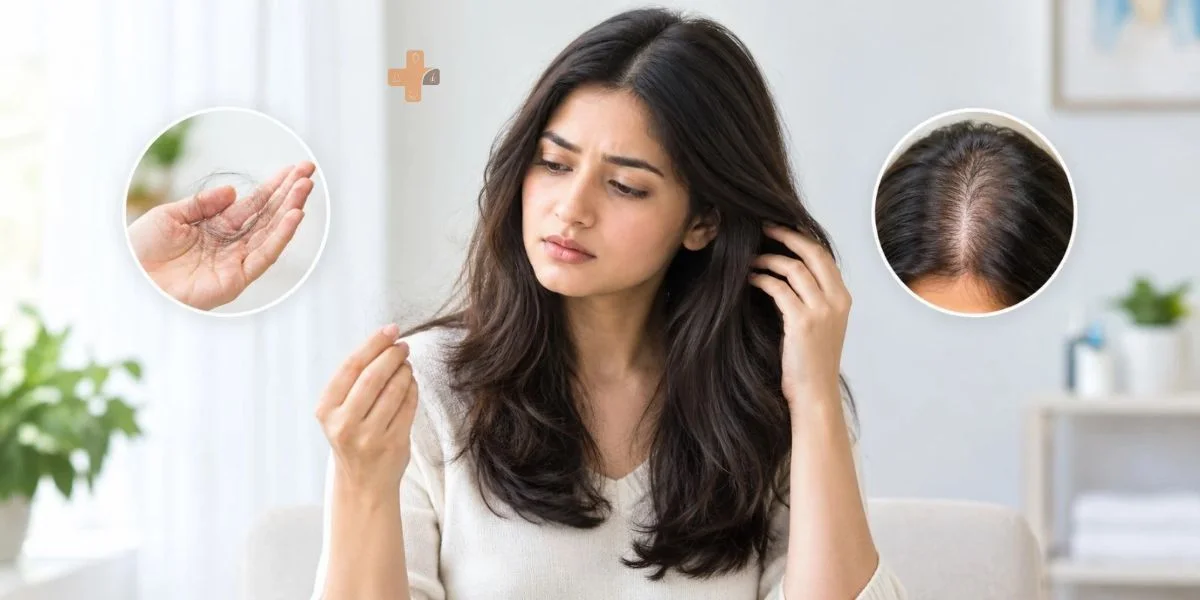
How to Know if Seasonal Hair Shedding Is Normal or Hair Loss
Seeing extra hair in your brush or shower drain can feel concerning. It is easy to assume that more shedding means hair loss. But that is not always the case. Hair naturally sheds as part of its growth cycle. The amount can also change during certain times of the year.
This is where seasonal hair shedding can become confusing. You may notice more loose strands without actually losing hair density. In other cases, increased shedding can reveal an underlying hair loss condition that needs attention.
Knowing the difference helps you understand what your hair is telling you. The pattern, duration, and changes in hair density all provide useful clues.
Why Hair Naturally Sheds
Every hair follicle follows a natural growth cycle. Hair first stays in an active growth phase. It then moves through a short transition phase before entering a resting phase. The resting hair eventually falls out, allowing new hair to grow from the follicle.
This process happens every day. That is why some hair on your pillow, clothing, comb, or shower floor is normal.
The amount of shedding can vary. Stress, illness, hormonal changes, nutrition, medications, and changes in the hair-growth cycle can affect how much hair you notice.
Seasonal hair shedding may occur when more hairs enter the resting and shedding phase around the same period. This can make normal hair loss look more dramatic than usual.
What Seasonal Hair Shedding Looks Like
Seasonal shedding usually involves an increase in loose hairs rather than a clear loss of overall hair density.
You may notice:
– More hair during shampooing
– Extra strands on your pillow
– More hair in your brush
– Increased shedding while styling
– Hair falling out without clear bald spots
– No major change in your hairline
– Overall hair thickness staying relatively stable
With seasonal hair shedding, the scalp often continues to produce new hair. The increase in shedding is usually temporary.
However, the timing alone does not confirm that shedding is seasonal. Other causes can produce similar symptoms. This is why the overall pattern matters.
Signs That Point to Hair Loss
Hair loss involves more than simply seeing loose strands. A change in hair density is an important warning sign.
Look for changes such as:
– A widening part
– A thinner crown
– A receding hairline
– More visible scalp
– Smaller or thinner ponytails
– Persistent heavy shedding
– Round or irregular bald patches
– Short broken hairs in specific areas
– Changes in eyebrow or eyelash density
If these changes continue, the issue may not be simple seasonal hair shedding.
Some types of hair loss develop slowly. Others appear more suddenly. Early signs can be subtle, so comparing your hair density over time can be useful.
Seasonal Shedding vs Hair Loss
The easiest way to understand the difference is to look beyond the number of hairs you lose.
| Seasonal Hair Shedding | Possible Hair Loss |
| Shedding increases temporarily | Shedding continues or progresses |
| Overall density stays similar | Hair becomes visibly thinner |
| Hairline usually stays stable | Hairline may recede |
| No clear bald areas | Bald patches may appear |
| New hairs continue to grow | Growth may become weaker in affected areas |
| Shedding may settle over time | Changes often continue without proper care |
This comparison does not replace a professional diagnosis. It simply helps you recognize changes that deserve attention.
How Long Increased Shedding Can Last
There is no single duration that applies to everyone. Temporary shedding can last for a limited period and gradually settle.
Persistent shedding needs a closer look. If you continue to see large amounts of hair or notice reduced density, do not automatically label it seasonal hair shedding.
Temporary shedding can also follow a trigger. A recent illness, significant stress, rapid weight loss, nutritional deficiency, hormonal change, or certain medications can affect the hair cycle.
In these situations, the shedding may appear later than the original trigger. This delay can make it difficult to identify the cause without a proper history.
Why Hair Density Matters More Than Hair on the Brush
Counting every strand is not always helpful. Hair density gives a better picture of what is happening.
For example, you may see more hair in the shower but notice no change in your part or hairline. This can suggest increased shedding without significant visible thinning.
On the other hand, even moderate shedding can matter if your part becomes wider or your scalp becomes more visible.
This is why seasonal hair shedding should be evaluated based on both shedding and density. The same amount of shedding can affect people differently.
Conditions That Can Cause Increased Shedding
Several conditions can cause noticeable hair shedding.
Telogen effluvium is one common example. It occurs when more hair follicles enter the resting phase. It can follow illness, major stress, significant dietary changes, or other physical triggers.
Pattern hair loss is different. It usually causes gradual thinning in specific areas. The hair may become finer over time, and the scalp can become more visible.
Scalp conditions can also affect hair growth. Inflammation, infection, excessive scaling, or other scalp problems may contribute to changes in hair quality or density.
This is why increased shedding does not always have one simple explanation.
How to Monitor Changes at Home
You can monitor your hair without counting every strand.
Take clear photos of your hairline, part, and crown from time to time. Use similar lighting and angles. This makes gradual changes easier to identify.
Notice whether your part becomes wider. Check if your ponytail feels thinner. Look for areas where the scalp becomes more visible.
Also pay attention to scalp symptoms. Persistent itching, redness, scaling, tenderness, or patches can provide important clues.
If your hair looks stable while shedding increases temporarily, seasonal hair shedding may be one possible explanation. If density continues to decrease, consider a professional evaluation.

When a Specialist Evaluation Helps
A specialist evaluation becomes important when shedding persists or visible thinning develops.
A Skin & ENT specialist can examine the scalp and assess the distribution and pattern of hair loss. The evaluation can also include questions about recent illness, stress, diet, medications, hormonal changes, family history, and other possible triggers.
Depending on the findings, the specialist may recommend further assessment. This can help distinguish temporary shedding from conditions that require treatment.
Avoid starting supplements or hair-loss treatments based only on increased shedding. The right approach depends on the underlying cause.
Simple Habits That Support Hair Health
Good hair care supports healthy hair and scalp function.
Use gentle hair-care practices. Avoid excessive heat and aggressive brushing. Limit hairstyles that repeatedly pull tightly on the roots.
Eat a balanced diet that provides adequate protein and essential nutrients. Iron, zinc, vitamin D, and other nutrients support normal hair growth. Supplements are most useful when a deficiency or specific need is identified.
Manage ongoing stress and maintain regular sleep. These habits support overall health and can help maintain a healthy hair-growth cycle.
Know When Shedding Needs Attention
More hair in your brush does not automatically mean permanent hair loss. Seasonal hair shedding can cause a temporary increase in loose strands while overall hair density remains stable.
The concern increases when shedding stays heavy, the scalp becomes more visible, the hairline changes, or specific areas become thinner. These signs can point to an underlying condition rather than simple seasonal changes.
The goal is not to fear every strand that falls. The goal is to recognize meaningful changes early.
If you notice persistent shedding, visible thinning, bald patches, or changes in your scalp, consult Acura Skin & ENT Clinic for a professional scalp and hair evaluation. Understanding the cause is the first step toward choosing the right approach for your hair health.