

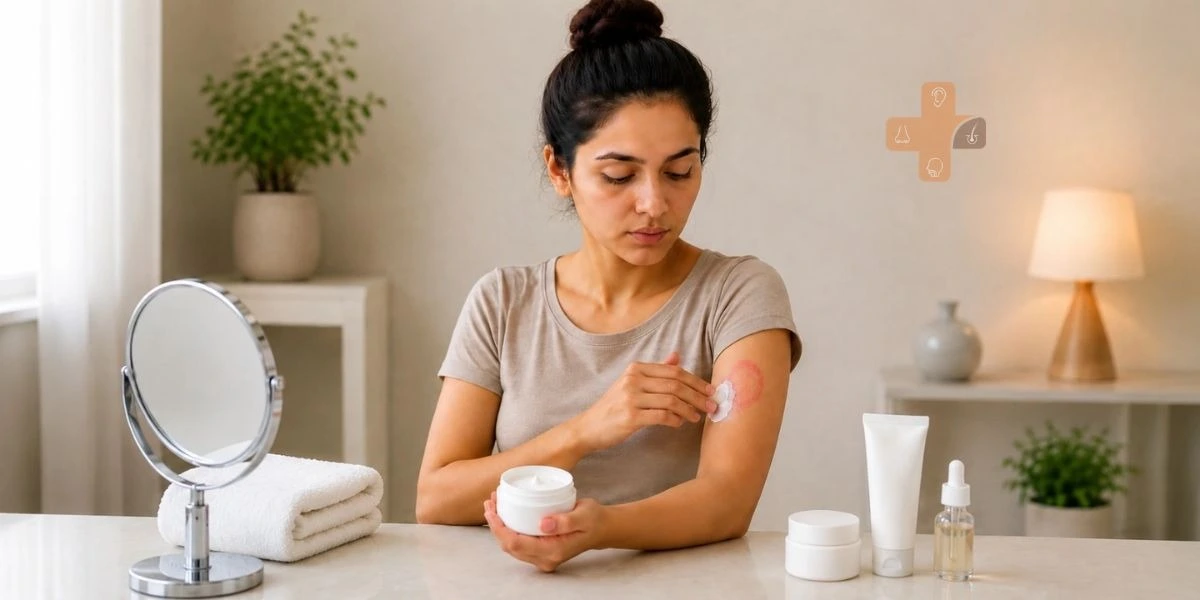
Common Mistakes to avoid while Treating Fungal Infections
Fungal infections are one of the most common skin concerns that affect people of all ages. They often develop in warm, moist areas of the body and can spread quickly when left untreated. While many fungal infections are mild at first, simple treatment mistakes can make them last longer or return again and again.
Many people stop treatment too early, rely on home remedies, or ignore everyday hygiene habits. These mistakes may seem harmless, but they often delay recovery and increase the risk of spreading the infection to others.
At Acura Skin & ENT Clinic, we believe that understanding the right approach is just as important as choosing the right treatment. This blog explains the most common mistakes to avoid while treating Fungal Infections. It also shares practical tips that support healthy skin and help reduce the chances of future infections.
Why Proper Treatment Matters
Fungal infections grow when fungi multiply on the skin, nails, or scalp. They thrive in warm, sweaty, and humid conditions. Without proper care, the infection may spread to nearby skin or even to family members through shared personal items.
Successful treatment requires patience, consistency, and good hygiene. Avoiding common mistakes helps the skin heal faster and lowers the risk of recurrence.
Stopping Treatment Too Early
One of the biggest mistakes people make is stopping medication as soon as itching or redness improves.
Symptoms often disappear before the fungus is completely gone. Ending treatment early allows the remaining fungi to grow again. This can cause the infection to return within a short time.
Always complete the recommended treatment period, even if the skin looks normal before it ends.
Using Over-the-Counter Products Without Guidance
Many antifungal creams are available without a prescription. While some products work well for certain conditions, choosing the wrong one may not treat the infection properly.
Some people also use combination creams that contain steroids. These creams may temporarily reduce redness and itching, but they can make Fungal Infections harder to diagnose and treat over time.
Reading product labels carefully and using medications correctly can make a significant difference.
Depending Only on Home Remedies
Natural remedies are popular, but they are not always effective against fungal infections.
Applying oils, toothpaste, vinegar, or other household ingredients may irritate the skin instead of treating the fungus. Delaying proper treatment allows the infection to spread further.
Home care can support healthy skin, but it should never replace proven antifungal treatment when symptoms continue.
Ignoring Personal Hygiene
Daily hygiene plays a major role in recovery.
Failing to keep the affected area clean and dry creates the perfect environment for fungal growth. Sweat and moisture allow fungi to multiply more easily.
Simple habits can help, including:
- Drying the skin thoroughly after bathing
- Wearing clean clothes every day
- Changing sweaty clothing promptly
- Keeping skin folds dry whenever possible
These habits support treatment and reduce the chance of recurring Fungal Infections.
Sharing Personal Items
Fungal infections can spread through direct contact and shared belongings.
Using the same towels, socks, shoes, combs, or clothing with others increases the risk of transmission. Even after treatment begins, contaminated personal items may cause reinfection.
Wash clothing, towels, and bedsheets regularly, especially during active treatment. Avoid sharing personal items until the infection has completely cleared.
Wearing Tight and Non-Breathable Clothing
Tight clothing traps heat and moisture against the skin.
This warm environment encourages fungal growth and slows healing. Loose-fitting, breathable cotton fabrics help keep the skin dry and comfortable.
People who sweat heavily should change into dry clothes as soon as possible after exercise or outdoor activities.
Skipping Daily Skin Care
Healthy skin provides a stronger barrier against infections.
Dry, damaged, or irritated skin becomes more vulnerable to fungal growth. A consistent skincare routine helps maintain the skin’s natural protective barrier.
Learning to recognize early skin changes also helps prevent complications. Healthy skin starts with early awareness, and How to Recognize Eczema Early Symptoms and Skin Care Essentials highlights the importance of recognizing skin changes and maintaining a consistent skincare routine.
Ignoring Seasonal Skin Changes
Humidity and seasonal weather often increase the risk of Fungal Infections.
During the rainy season, excess moisture creates favorable conditions for fungal growth. Keeping the scalp and skin clean becomes even more important.
Monsoon Hair Care Guide How to Prevent Hair Fall During the Rainy Season. Many of these daily practices also help reduce excessive moisture on the body.
Forgetting Sun Protection During Recovery
Some fungal treatments may make the skin more sensitive during recovery.
Sun exposure can sometimes lead to uneven skin tone after the infection heals. Protecting the skin from unnecessary UV exposure supports healthy recovery.
Consistent sun protection supports healthy skin, and Ultimate Guide to Sunscreen Myths and Skin Protection covers common sunscreen myths and practical ways to protect your skin every day.
Ignoring Changes After Healing
Even after the infection clears, the affected area may look darker or lighter than the surrounding skin.
Many people worry that the infection is still active when they notice skin discoloration. In reality, post-inflammatory pigmentation often fades gradually with proper skin care.
If pigmentation remains, Reduce Skin Pigmentation During the Summer Season offers useful tips for maintaining an even skin tone.
At the same time, continue paying attention to unusual skin changes, even after a fungal infection has healed. The Hidden Signs of Skin Damage You Shouldn’t Ignore highlights early warning signs that should not be overlooked and explains why recognizing skin changes early supports long-term skin health.
Not Preventing Reinfection
Treatment does not end when symptoms disappear.
Fungi may remain on shoes, towels, gym equipment, or clothing if they are not cleaned properly. Reinfection becomes much more likely when these items continue to carry fungal spores.
To reduce the risk of recurring Fungal Infections:
- Wash towels and clothing regularly.
- Wear breathable footwear.
- Keep your feet dry.
- Avoid walking barefoot in public locker rooms or swimming pools.
- Do not share personal hygiene items.
These simple habits protect both you and the people around you.
For evidence-based information on fungal skin infections, the Centers for Disease Control and Prevention (CDC) provides helpful guidance on prevention, symptoms, and treatment.
Simple Habits for Long-Term Skin Health
Treating Fungal Infections successfully requires more than simply applying a cream. Consistency, good hygiene, patience, and healthy daily habits all play an important role. Avoiding common mistakes helps the skin recover more effectively and reduces the chances of the infection returning.
Paying attention to early symptoms, protecting the skin, and following the full treatment plan can make recovery smoother. Small daily changes often have a lasting impact on skin health.
If your fungal infection keeps coming back, spreads despite treatment, or does not improve, consult a qualified dermatologist. The experienced team at Acura Skin & ENT Clinic can identify the underlying cause and recommend a personalized treatment plan to help restore healthy skin.