

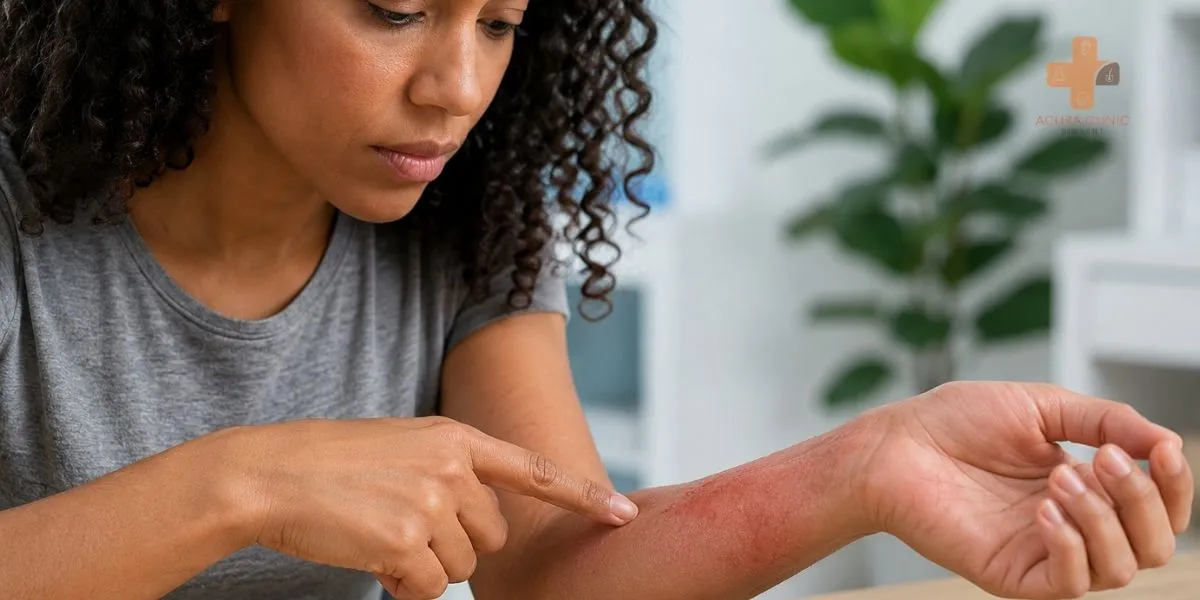
How to Recognize Eczema Early Symptoms and Skin Care Essentials?
Have you ever noticed persistent itching, dry patches, or redness on your skin that simply won’t go away? Many people dismiss these signs as temporary dryness or a reaction to weather changes.
However, they could be the early warning signs of eczema, a common skin condition that affects people of all ages.
Many patients wish they had recognized eczema sooner. Early identification and proper skincare can help prevent discomfort, reduce flare-ups, and protect your skin’s long-term health.
Understanding Eczema
Eczema, also known as atopic dermatitis, is a condition that causes the skin to become inflamed, itchy, and irritated.
It occurs when the skin’s natural protective barrier becomes weakened, making it more susceptible to allergens, irritants, and moisture loss.
While eczema is not contagious, it can significantly impact daily life if left untreated. The good news is that recognizing the symptoms early and following the right skincare routine can make a noticeable difference.
Early Signs of Eczema You Should Watch For
Persistent Itching
One of the first signs of eczema is itching. Unlike occasional skin irritation, eczema-related itching tends to be persistent and may worsen at night. In some cases, the itching begins even before a visible rash appears.
Dry and Rough Skin
If your skin feels unusually dry despite using moisturizers, it could indicate a compromised skin barrier. Eczema-prone skin often struggles to retain moisture, leading to rough and flaky patches, which may also be linked to underlying skin damage. Understanding the early warning signs of skin damage can help you take timely action and protect your skin’s health.
Red or Inflamed Areas
Redness is another common early symptom. These patches often appear on the face, neck, hands, elbows, knees, or behind the ears. The affected skin may also feel warm or sensitive to touch.
Scaly or Cracked Skin
As eczema progresses, the skin can become scaly, cracked, and more vulnerable to irritation. Without proper care, these areas may become painful and uncomfortable.
Small Bumps or Rash
Some individuals develop tiny bumps that may ooze fluid when scratched. This can increase the risk of infection and further skin damage.
What Triggers Eczema Flare-Ups?
Understanding your triggers is an important part of eczema management. Common triggers include:
- Harsh soaps and skincare products
- Dust, pollen, and environmental allergens
- Stress and anxiety
- Excessive sweating
- Sudden weather changes
- Synthetic or rough fabrics
- Hot showers and baths
Identifying and avoiding these triggers can help reduce the frequency and severity of flare-ups.
Essential Skin Care Tips for Eczema-Prone Skin
Managing eczema isn’t just about treatment—it’s also about maintaining a healthy skincare routine.
Moisturize Daily
Moisturizing is the foundation of eczema care. Apply a dermatologist-recommended moisturizer immediately after bathing to lock in hydration and strengthen the skin barrier. The American Academy of Dermatology also recommends regular moisturization as one of the most effective ways to manage eczema-prone skin.
Choose Gentle Cleansers
Avoid products containing strong fragrances, alcohol, or harsh chemicals. Mild, fragrance-free cleansers are generally safer for sensitive skin.
Keep Bathing Simple
Use lukewarm water instead of hot water and limit bath or shower time. Hot water can strip away natural oils and worsen dryness.
Wear Comfortable Clothing
Soft cotton fabrics are less likely to irritate sensitive skin compared to wool or synthetic materials.
Avoid Scratching
Although eczema can be extremely itchy, scratching can worsen inflammation and increase the risk of infection. Keeping nails trimmed and using soothing moisturizers can help.
Protect Your Skin from Environmental Damage
Sun exposure and environmental stressors can aggravate sensitive skin and contribute to irritation. Understanding proper sun protection is essential, and being aware of common misconceptions can help you make better skincare choices.
Be Extra Careful During Seasonal Changes
Weather changes, festivals, and outdoor activities can trigger eczema flare-ups. Following proper skincare practices during special occasions can help minimize irritation, especially during festivals that involve exposure to colors, sunlight, and environmental pollutants.
Manage Stress
Stress is a well-known eczema trigger. Activities such as exercise, meditation, and maintaining a healthy sleep schedule can support overall skin health.
Can Eczema Cause Skin Discoloration?
Repeated inflammation and scratching may sometimes lead to post-inflammatory hyperpigmentation or dark patches after an eczema flare subsides. Proper treatment and skin protection can help minimize pigmentation concerns. If you’re experiencing uneven skin tone after eczema, learning how to manage pigmentation effectively can support your skin’s recovery.
When Should You Consult a Dermatologist?
While mild eczema can often be managed with proper skincare, professional evaluation is important if:
- Symptoms persist despite home remedies
- Itching disrupts sleep or daily activities
- The skin becomes swollen, painful, or infected
- Eczema frequently returns or spreads
Early intervention can help prevent complications and improve quality of life.
Healthy Skin Starts with Early Action
Eczema often begins with subtle symptoms that are easy to overlook. Persistent itching, dryness, redness, and skin irritation are your skin’s way of signaling that something needs attention.
Recognizing these early signs and adopting the right skincare habits can help you manage eczema effectively and avoid severe flare-ups.
If you are experiencing ongoing skin concerns, seeking professional guidance can provide the personalized care needed to keep your skin healthy, comfortable, and protected. Whether you need answers about recurring symptoms or a customized treatment plan, timely intervention can make a significant difference in your skin health journey.
At Acura Skin & ENT Clinic, our experienced dermatology team is dedicated to helping patients identify skin conditions early and develop effective treatment plans for long-term skin wellness.